Chatbot Psychology: User Behavior & Conversation Design
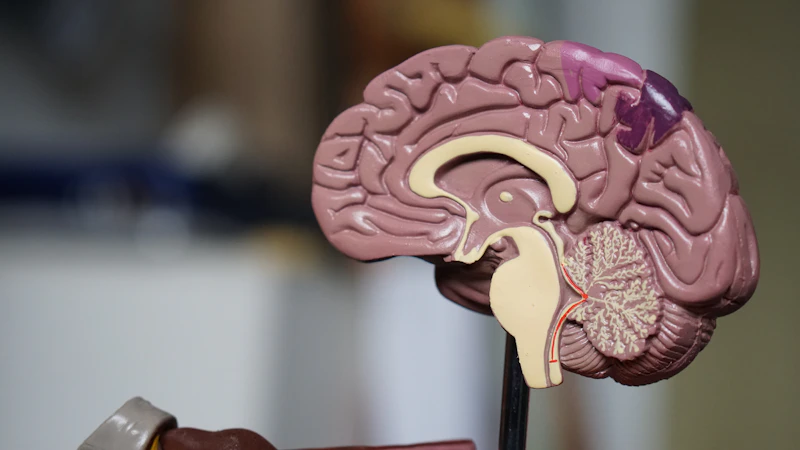
Understanding chatbot psychology is crucial for creating engaging and effective conversational experiences. By applying psychological principles to conversation design, you can build chatbots that users trust, enjoy interacting with, and find genuinely helpful.
src="https://images.unsplash.com/photo-1559757148-5c350d0d3c56?ixlib=rb-4.0.3&auto=format&fit=crop&w=1200&q=80"
alt="Psychology and behavior analysis interface showing user interaction patterns and conversation design principles"
className="w-full h-64 object-cover rounded-lg shadow-lg"
/>
Understanding user psychology is essential for effective chatbot design
The Psychology of Human-Computer Interaction
When users interact with chatbots, they bring their psychological expectations and behaviors from human-to-human communication. Understanding these patterns is essential for creating natural, engaging chatbot experiences.
Key Psychological Principles
- Social Presence Theory: Users treat chatbots as social entities
- Anthropomorphism: Tendency to attribute human characteristics to AI
- Trust and Credibility: Users need to feel confident in the chatbot's abilities
- Cognitive Load: Information processing capacity affects user experience
- Emotional Design: Emotional responses influence user behavior
Understanding User Behavior Patterns
Users exhibit predictable patterns when interacting with chatbots. Understanding these behaviors helps design more effective conversations:
1. Initial Interaction Patterns
How users approach their first chatbot interaction:
- Testing the chatbot's capabilities
- Seeking reassurance about privacy and security
- Looking for clear value propositions
- Expecting immediate, relevant responses
2. Conversation Flow Preferences
Users prefer certain conversation structures:
- Clear, step-by-step guidance
- Option-based navigation
- Contextual help and explanations
- Easy exit and restart options
3. Trust Building Behaviors
Users develop trust through specific interaction patterns:
- Consistent, accurate responses
- Transparent limitations and capabilities
- Human-like but not deceptive communication
- Reliable problem-solving abilities
src="https://images.unsplash.com/photo-1559757148-5c350d0d3c56?ixlib=rb-4.0.3&auto=format&fit=crop&w=1200&q=80"
alt="User behavior analytics dashboard showing interaction patterns, engagement metrics, and conversation flow analysis"
className="w-full h-64 object-cover rounded-lg shadow-lg"
/>
Behavioral analytics help understand user interaction patterns and preferences
Conversation Design Principles
Effective conversation design applies psychological principles to create engaging chatbot interactions:
1. Personality and Tone
Develop a consistent chatbot personality that aligns with your brand:
- Professional yet approachable tone
- Consistent personality across all interactions
- Appropriate formality level for your audience
- Emotional intelligence in responses
2. Conversation Structure
Design conversations that feel natural and intuitive:
- Clear conversation goals and outcomes
- Logical flow and progression
- Appropriate conversation length
- Flexible paths for different user needs
3. User Guidance and Support
Help users navigate conversations effectively:
- Clear instructions and expectations
- Contextual help and examples
- Error handling and recovery options
- Progress indicators and milestones
Psychological Triggers and Motivators
Understanding what motivates users helps create more engaging chatbot experiences:
1. Intrinsic Motivation
Internal drivers that encourage continued interaction:
- Curiosity and discovery
- Mastery and competence building
- Autonomy and control
- Purpose and meaning
2. Extrinsic Motivation
External rewards that encourage engagement:
- Immediate value and benefits
- Recognition and feedback
- Progress tracking and achievements
- Social validation and sharing
3. Emotional Triggers
Emotional responses that drive user behavior:
- Relief from problems or frustrations
- Excitement about possibilities
- Confidence in solutions
- Connection and belonging
Building Trust and Credibility
Trust is essential for successful chatbot interactions. Apply these psychological principles to build user confidence:
1. Transparency and Honesty
Be clear about your chatbot's capabilities and limitations:
- Explicitly state when you're a chatbot
- Admit when you don't know something
- Explain your data usage and privacy practices
- Provide clear escalation paths to humans
2. Consistency and Reliability
Maintain consistent behavior and responses:
- Reliable response times and availability
- Consistent personality and tone
- Accurate information and recommendations
- Predictable conversation patterns
3. Competence and Expertise
Demonstrate knowledge and problem-solving ability:
- Provide accurate, helpful information
- Solve problems effectively
- Learn from user feedback and interactions
- Continuously improve performance
Managing User Expectations
Proper expectation management is crucial for user satisfaction:
1. Setting Clear Expectations
Help users understand what your chatbot can and cannot do:
- Clear capability descriptions
- Realistic response time expectations
- Appropriate use case guidance
- Limitation acknowledgment
2. Managing Disappointment
Handle situations where expectations aren't met:
- Empathetic error messages
- Alternative solution suggestions
- Human handoff options
- Feedback collection and improvement
3. Exceeding Expectations
Create positive surprises that delight users:
- Unexpected helpful features
- Proactive assistance and suggestions
- Personalized recommendations
- Efficient problem resolution
Emotional Design in Chatbots
Emotional design principles help create chatbots that users genuinely enjoy interacting with:
1. Visceral Design
Immediate emotional responses to chatbot appearance and behavior:
- Attractive visual design and animations
- Pleasant sounds and notifications
- Smooth, responsive interactions
- Professional, polished presentation
2. Behavioral Design
How the chatbot functions and behaves:
- Intuitive, easy-to-use interface
- Reliable, consistent performance
- Helpful, problem-solving behavior
- Adaptive, learning capabilities
3. Reflective Design
Long-term emotional impact and user reflection:
- Meaningful, valuable interactions
- Positive brand associations
- Memorable, shareable experiences
- Long-term relationship building
Common Psychological Pitfalls
Avoid these common mistakes that can negatively impact user experience:
1. Uncanny Valley
Don't make your chatbot too human-like without the capabilities to match. Users prefer clearly artificial but helpful chatbots over deceptive ones.
2. Overwhelming Complexity
Avoid presenting too many options or complex information at once. Break down interactions into manageable steps.
3. Lack of Context
Ensure your chatbot maintains context throughout conversations and remembers previous interactions appropriately.
Future of Chatbot Psychology
Stay ahead of emerging trends in chatbot psychology and user behavior:
1. Emotional AI
Advanced emotion recognition and response capabilities will enable more empathetic chatbot interactions.
2. Personality Adaptation
Chatbots will increasingly adapt their personality and communication style to individual user preferences.
3. Predictive Psychology
AI will use psychological profiling to predict user needs and provide proactive assistance.
Conclusion
Understanding chatbot psychology is essential for creating engaging, effective conversational experiences. By applying psychological principles to conversation design, you can build chatbots that users trust, enjoy interacting with, and find genuinely helpful.
Remember that successful chatbot psychology focuses on understanding and serving human needs, not on creating the most advanced AI. The most effective chatbots combine technical capability with deep understanding of human psychology and behavior.