Predictive Analytics for Business: How AI Chatbots Improve Lead Scoring
Predictive analytics is revolutionizing how businesses identify and prioritize leads. By combining AI chatbot interactions with advanced analytics, companies can now predict which prospects are most likely to convert, enabling more targeted and effective sales efforts.
src="https://images.unsplash.com/photo-1551288049-bebda4e38f71?ixlib=rb-4.0.3&auto=format&fit=crop&w=1200&q=80"
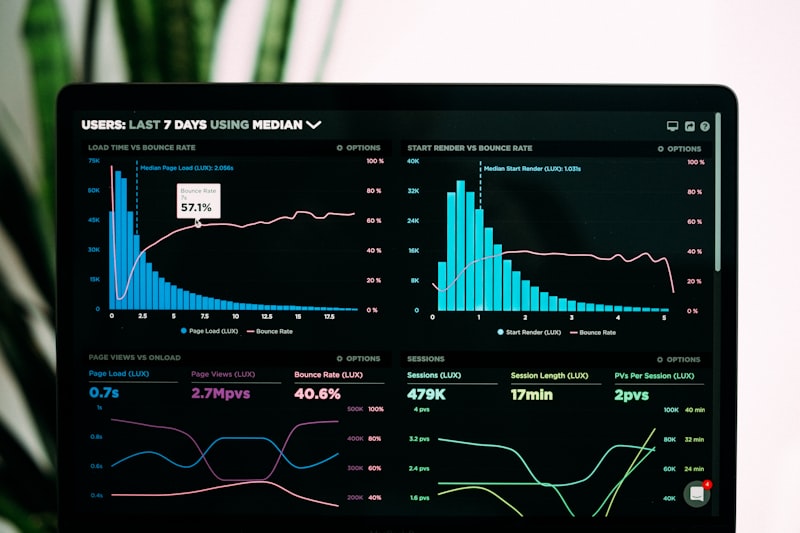
alt="Predictive analytics dashboard showing lead scoring metrics, conversion probabilities, and data visualization charts"
className="w-full h-64 object-cover rounded-lg shadow-lg"
/>
Predictive analytics transforms raw data into actionable insights for better lead prioritization
Understanding Predictive Analytics in Lead Scoring
Predictive analytics uses historical data, behavioral patterns, and machine learning algorithms to forecast future outcomes. In lead scoring, this means analyzing customer interactions, engagement levels, and demographic data to predict conversion probability.
How AI Chatbots Enhance Lead Scoring
AI chatbots provide rich data for predictive analytics through:
- Behavioral Analysis: Track user interactions and engagement patterns
- Intent Detection: Identify purchase intent from conversation context
- Sentiment Tracking: Monitor customer satisfaction and interest levels
- Engagement Metrics: Measure time spent and questions asked
- Response Patterns: Analyze how customers respond to different approaches
Implementing Predictive Lead Scoring
1. Data Collection Strategy
Start by collecting comprehensive data from your AI chatbot interactions. This includes:
- Conversation duration and depth
- Questions asked and topics discussed
- Response time and engagement level
- Contact information provided
- Follow-up actions taken
2. Scoring Model Development
Develop a scoring model that weighs different factors based on their predictive value. Use our advanced lead scoring capabilities to create sophisticated models.
3. Real-Time Analysis
Implement real-time scoring that updates as customers interact with your chatbot. This ensures your sales team always has the most current lead intelligence.
Advanced Analytics Features
Predictive Modeling
Use predictive analytics to forecast customer behavior and optimize your sales approach.
Behavioral Insights
Analyze customer behavior patterns to identify the most effective engagement strategies and conversation flows.
Measuring Predictive Analytics Success
Track these key metrics to measure your predictive analytics effectiveness:
- Lead scoring accuracy
- Conversion rate improvements
- Sales cycle reduction
- Revenue per lead increase
- Customer lifetime value predictions
Best Practices for Implementation
Follow these best practices for successful predictive analytics implementation:
- Start with high-quality, clean data
- Regularly update your scoring models
- Test and validate predictions continuously
- Train your sales team on lead scoring insights
- Integrate with your CRM for seamless workflow
Future of Predictive Analytics
As AI technology advances, we can expect even more sophisticated predictive capabilities, including real-time personalization, automated decision-making, and advanced customer journey mapping.
Conclusion
Predictive analytics combined with AI chatbots provides powerful insights for better lead scoring and sales outcomes. By implementing these strategies, you can significantly improve your sales efficiency and customer conversion rates.
Explore our predictive analytics features and advanced visualization tools to get started with data-driven insights.