AI Chatbot Analytics: Track Performance & Optimize Conversions
Understanding your chatbot's performance is crucial for maximizing its impact on your business. With proper analytics, you can identify bottlenecks, optimize conversations, and significantly improve conversion rates. This comprehensive guide will show you how to track, analyze, and optimize your AI chatbot's performance.
src="https://images.unsplash.com/photo-1551288049-bebda4e38f71?ixlib=rb-4.0.3&auto=format&fit=crop&w=1200&q=80"
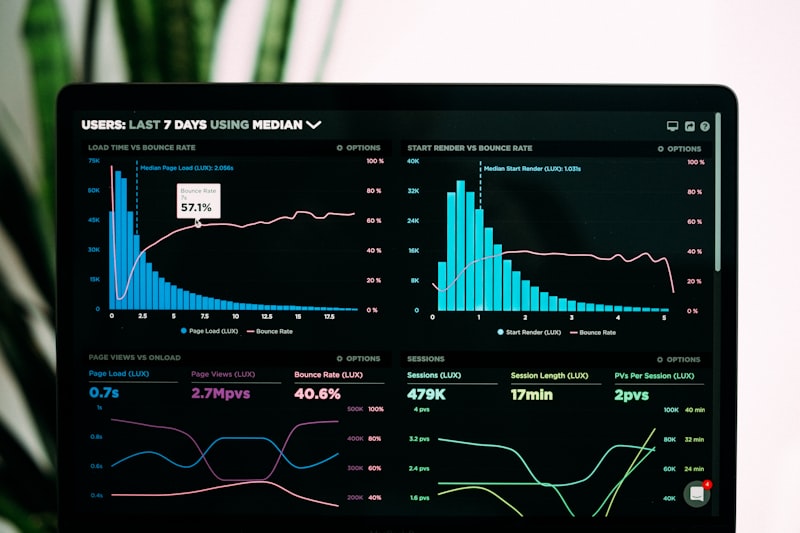
alt="Analytics dashboard showing chatbot performance metrics, conversion rates, and user engagement data"
className="w-full h-64 object-cover rounded-lg shadow-lg"
/>
Comprehensive analytics help you understand chatbot performance and optimize for better results
Key Chatbot Metrics to Track
To effectively measure your chatbot's performance, you need to track the right metrics. Here are the essential KPIs every chatbot owner should monitor:
1. Conversation Metrics
- Total Conversations: Number of unique chat sessions
- Conversation Completion Rate: Percentage of conversations that reach a successful conclusion
- Average Session Duration: Time users spend interacting with your chatbot
- Messages per Conversation: Average number of exchanges per session
2. User Engagement Metrics
- User Retention Rate: Percentage of users who return for multiple conversations
- Response Rate: How quickly your chatbot responds to user queries
- User Satisfaction Score: Ratings and feedback from users
- Escalation Rate: Percentage of conversations that require human intervention
3. Business Impact Metrics
- Lead Generation Rate: Percentage of conversations that result in qualified leads
- Conversion Rate: Percentage of users who complete desired actions
- Cost per Lead: Average cost to acquire a lead through the chatbot
- ROI: Return on investment from chatbot implementation
src="https://images.unsplash.com/photo-1460925895917-afdab827c52f?ixlib=rb-4.0.3&auto=format&fit=crop&w=1200&q=80"
alt="Dashboard showing key performance indicators including conversion rates, user engagement, and business metrics"
className="w-full h-64 object-cover rounded-lg shadow-lg"
/>
Track these essential metrics to measure your chatbot's success and identify improvement opportunities
Setting Up Analytics for Your Chatbot
Proper analytics setup is the foundation of effective chatbot optimization. Here's how to implement comprehensive tracking:
1. Choose the Right Analytics Platform
Select an analytics platform that integrates seamlessly with your chatbot platform. Popular options include Google Analytics, Mixpanel, and custom dashboard solutions.
2. Implement Event Tracking
Track specific events throughout the user journey:
- Conversation starts and ends
- Intent recognition accuracy
- User actions and responses
- Goal completions and conversions
3. Set Up Conversion Funnels
Create conversion funnels to track user progression from initial contact to final conversion. This helps identify where users drop off and optimize those specific touchpoints.
Analyzing Chatbot Performance Data
Raw data is only valuable when properly analyzed. Here's how to extract actionable insights from your chatbot analytics:
1. Identify Conversation Patterns
Analyze conversation flows to understand common user paths, frequent questions, and areas where users struggle. Use this data to optimize your chatbot's conversation design.
2. Monitor Intent Recognition Accuracy
Track how well your chatbot understands user intents. Low accuracy rates indicate the need for better training data or improved training processes.
3. Analyze User Feedback
Regularly review user feedback and satisfaction scores to identify areas for improvement. Pay special attention to negative feedback patterns.
Optimization Strategies Based on Analytics
Use your analytics data to implement targeted optimizations:
1. Conversation Flow Optimization
Based on conversation analysis, restructure your chatbot's flow to reduce friction and improve completion rates. Focus on the most common user paths and optimize those first.
2. Response Time Optimization
If response times are slow, optimize your chatbot's processing capabilities or consider upgrading your infrastructure.
3. Content Optimization
Use conversation data to improve your chatbot's responses. Add more natural language variations and address common user concerns more effectively.
Advanced Analytics Techniques
For businesses ready to take their analytics to the next level, consider these advanced techniques:
1. Predictive Analytics
Use predictive analytics to forecast user behavior and optimize conversations proactively.
2. Sentiment Analysis
Implement sentiment analysis to understand user emotions during conversations and adjust your chatbot's tone accordingly.
3. A/B Testing
Continuously test different conversation flows, responses, and features to identify what works best for your audience.
Common Analytics Mistakes to Avoid
Many businesses make these common mistakes when analyzing chatbot performance:
- Focusing only on volume metrics: Don't ignore quality metrics like satisfaction and conversion rates
- Not segmenting data: Analyze different user segments separately for more actionable insights
- Ignoring qualitative data: Combine quantitative metrics with user feedback and conversation analysis
- Setting unrealistic goals: Base your targets on industry benchmarks and your specific use case
Conclusion
Effective chatbot analytics is the key to continuous improvement and optimization. By tracking the right metrics, analyzing data properly, and implementing data-driven optimizations, you can significantly improve your chatbot's performance and business impact.
Remember that analytics is an ongoing process. Regularly review your data, test new approaches, and continuously optimize based on what you learn. With the right analytics strategy, your chatbot can become a powerful tool for driving business growth and customer satisfaction.